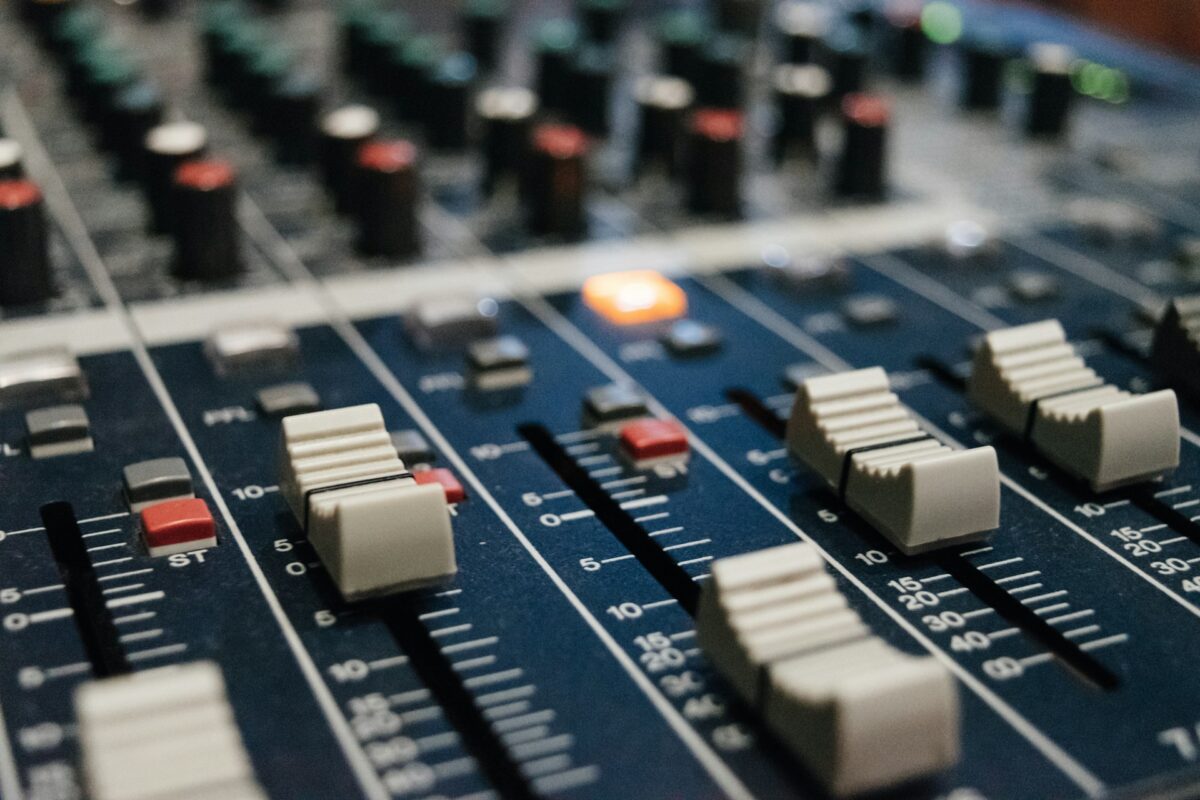
Of all the gear decisions a church makes, the mixing console is usually the one that gets the most debate — and the most conflicting advice from well-meaning volunteers who read a forum thread once. We help churches across the Phoenix Valley work through this decision regularly, and the right answer has far less to do with brand loyalty than most people assume.
Start With Your Actual Workflow, Not the Spec Sheet
Console shopping usually starts with channel count and feature lists, but the better starting question is: who’s actually going to run this thing every week? A console with incredible recallable scenes and deep routing flexibility is wasted — and even counterproductive — if your volunteer team needs something simpler to operate confidently.
The Major Players, Honestly Compared
Behringer (X32 / Wing series). Extremely capable for the price, with a huge user community and tons of online training content — which matters a lot for volunteer-run churches trying to self-train. The tradeoff is a steeper learning curve on the interface itself and build quality that, while solid, isn’t quite at the tier of pricier competitors.
Allen & Heath (SQ / dLive series). Widely regarded as one of the most intuitive interfaces in the category, with a workflow that tends to click quickly for volunteers. Slightly higher price point than Behringer for comparable channel counts, but the ease-of-use difference is real and often worth it for teams with high volunteer turnover.
Yamaha (CL/QL, or the newer DM series). Rock-solid reliability and excellent sound quality, commonly found in larger Valley churches that have grown past entry-level gear. Pricier, with a feature set that can be more than smaller churches need.
DiGiCo and Midas. Premium-tier consoles generally reserved for larger productions, touring-caliber worship environments, or churches with dedicated, highly trained audio staff rather than rotating volunteers.
Questions That Actually Matter More Than the Brand
How many people will run this console, and how often do they rotate? High-turnover volunteer teams benefit enormously from intuitive interfaces and simple recallable scenes, even if it means sacrificing some advanced routing capability.
Do you need integrated streaming/recording outputs? Many modern digital consoles have built-in USB/Dante recording and streaming feeds, which simplifies your livestream signal chain significantly compared to older analog consoles paired with separate interfaces.
What’s your channel count today — and in three years? Churches frequently undersize consoles for where they’re headed, only to outgrow them within a couple of years as bands, campuses, or services grow.
How important is remote control from an iPad or tablet? Wireless mixing from the stage or the back of the room has become a standard expectation for modern worship production, and most digital consoles now offer some version of it — but the quality and reliability of that app varies a lot between brands.
A Note on Buying Used or Secondhand
The used AV gear market is active, and a secondhand console from a reputable Phoenix Valley church upgrade can be a smart way to get into a higher tier console than a fresh budget would otherwise allow. Just be sure to verify firmware support, available service/repair options, and that the unit hasn’t had water or surge damage — something we always check during a pre-purchase evaluation for clients.
It’s a System Decision, Not Just a Console Decision
A great console paired with a poorly designed speaker system, weak acoustic treatment, or an undertrained volunteer team will still sound mediocre. The console is one piece — an important one — of a bigger system that has to work together.
If you’re evaluating a console upgrade for your Arizona church, we’d love to walk through your specific room, team, and budget before you make a purchase you’ll be living with for the next decade. Contact Brilliance AV and let’s find the right fit.