
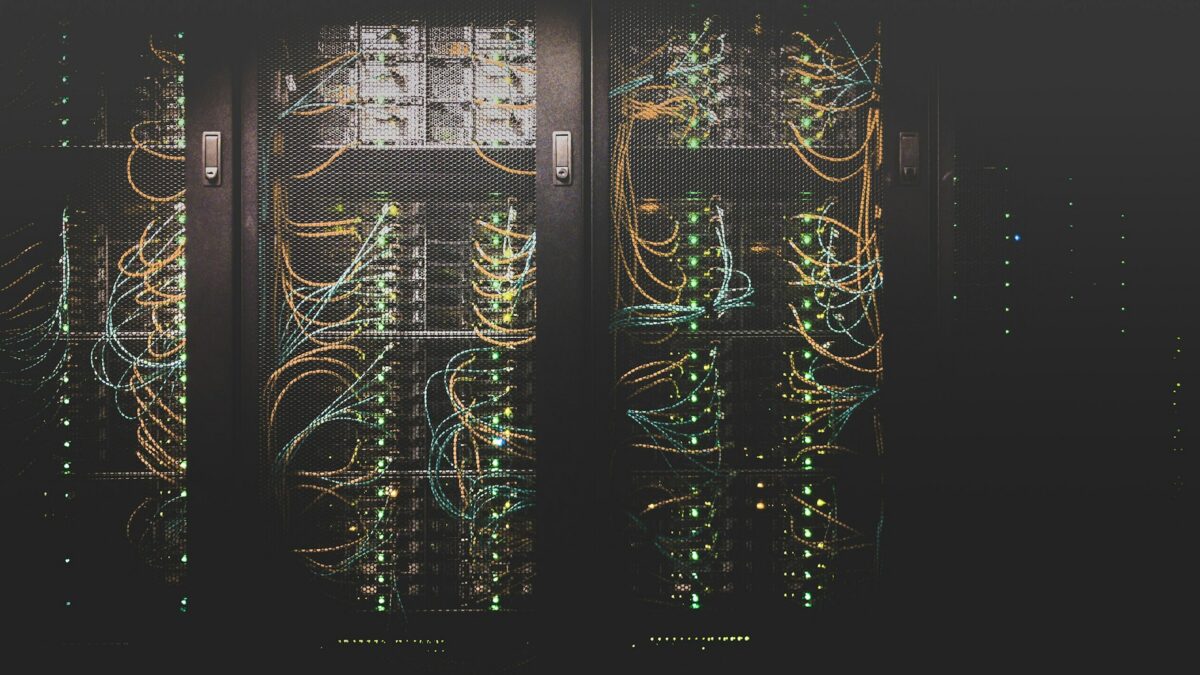
Fifteen years ago, church AV was a tangle of analog cables running from the stage to the sound booth. Today, an enormous amount of it runs over a computer network. Your audio, your video, your lighting, your tablet mixing, your live stream, and your presentation screens increasingly all share the same digital backbone. Which means the least glamorous part of your building, the network, has quietly become one of the most important.
Why the Network Matters So Much Now
Modern church technology leans on networking in ways that would surprise most congregations. Networked audio like Dante sends dozens or hundreds of audio channels over a single Ethernet cable. Lighting consoles control fixtures over the network using protocols with names like sACN and Art-Net. Technicians mix from tablets over WiFi. Cameras, encoders, and presentation computers all talk to each other across the same wiring. When the network is solid, all of this just works. When it is not, you get glitches, dropouts, and mysterious problems that are miserable to track down.
Wired First, WiFi Where It Counts
The foundation of a reliable church network is good wiring. Anything mission critical, meaning your audio transport, your video, your consoles, and your streaming encoder, should be hardwired over quality Ethernet cable. Wired connections are stable and predictable in a way WiFi simply cannot match for time sensitive AV traffic.
WiFi still has an important role, but a targeted one. It is perfect for tablet based mixing, wireless intercom, and PA steering from the room. The key is strong, well placed access points that cover the spots where your team actually works, the stage, the booth, and the platform. This matters even more in Arizona, where many churches meet in large metal buildings and sprawling multipurpose rooms that eat WiFi signal and demand careful access point placement.
The Bandwidth Question
Church leaders often ask whether they need to invest in ultra fast networking gear. For most Arizona churches, the honest answer is that a solid Gigabit Ethernet network provides plenty of headroom well into the future. Dante systems running on Gigabit can carry hundreds of audio channels in and out, which is far more than most churches will ever use. Jumping to 10 Gigabit infrastructure is usually premature and an unnecessary expense. Spend the money on quality switches, good cable, and smart design instead of chasing specifications you will not use.
Keep the Church WiFi and the AV Network Apart
Here is a principle that saves churches a lot of pain. The network carrying your critical AV should be kept separate from the guest WiFi that your congregation uses to check in, take notes, and look up scripture. You do not want a hundred phones streaming video during the sermon to compete with the audio feeding your speakers.
This is where Quality of Service, or QoS, comes in. QoS is a way of prioritizing network traffic so your most critical gear always gets first claim on bandwidth, and casual usage never interferes with the AV that keeps your service running. Getting this right takes some planning and a conversation between whoever handles your AV and whoever handles your general IT, so that important tasks are never compromised.
Build It Right the First Time
Network infrastructure is one of those investments that is far cheaper to do well up front than to fix later. Retrofitting proper wiring into a finished building, or untangling a network that grew piece by piece with no plan, is expensive and disruptive. If your church is building, renovating, or planning any significant AVL upgrade, designing the network intentionally at the start pays off for years. It is the same lesson we see across church technology, where a thoughtful plan beats a pile of gear bolted together over time.
Arizona’s climate adds one more wrinkle. Heat and dust are hard on equipment, and network gear tucked into a warm closet needs proper ventilation, just like the rest of your AV equipment that our climate stresses. A little planning around cooling and cleanliness keeps your switches and servers running reliably.
The Backbone Worth Getting Right
Your network is invisible when it works and impossible to ignore when it does not. Building it well, wired where it counts, WiFi where it helps, separated and prioritized so nothing steps on your AV, is what lets everything else in your church technology run smoothly. It is not the exciting part, but it is the part that makes the exciting parts possible.
Planning an upgrade or fighting a flaky system? Contact Brilliance AV and we will help you design a church network that is ready for whatever you build on top of it.
About Brilliance AV
Brilliance AV is a church AVL design and installation company based in Tempe, Arizona, serving churches across the Phoenix Valley. We design audio, video, lighting, and network systems that give churches a reliable foundation for modern worship. Call us at (480) 903-4432, email hello@brillianceav.com, or reach out through our contact page.