Is Immersive Audio Worth It for Arizona Churches? The Future of Church Mixing
Immersive audio — spatial, 3D sound that places instruments and vocals in a believable 3D field — has moved from “cool concert trick” to a serious conversation in church production circles. But for most Arizona churches, especially those in the 300–1,500 seat range, the big question remains: is it actually worth the investment?
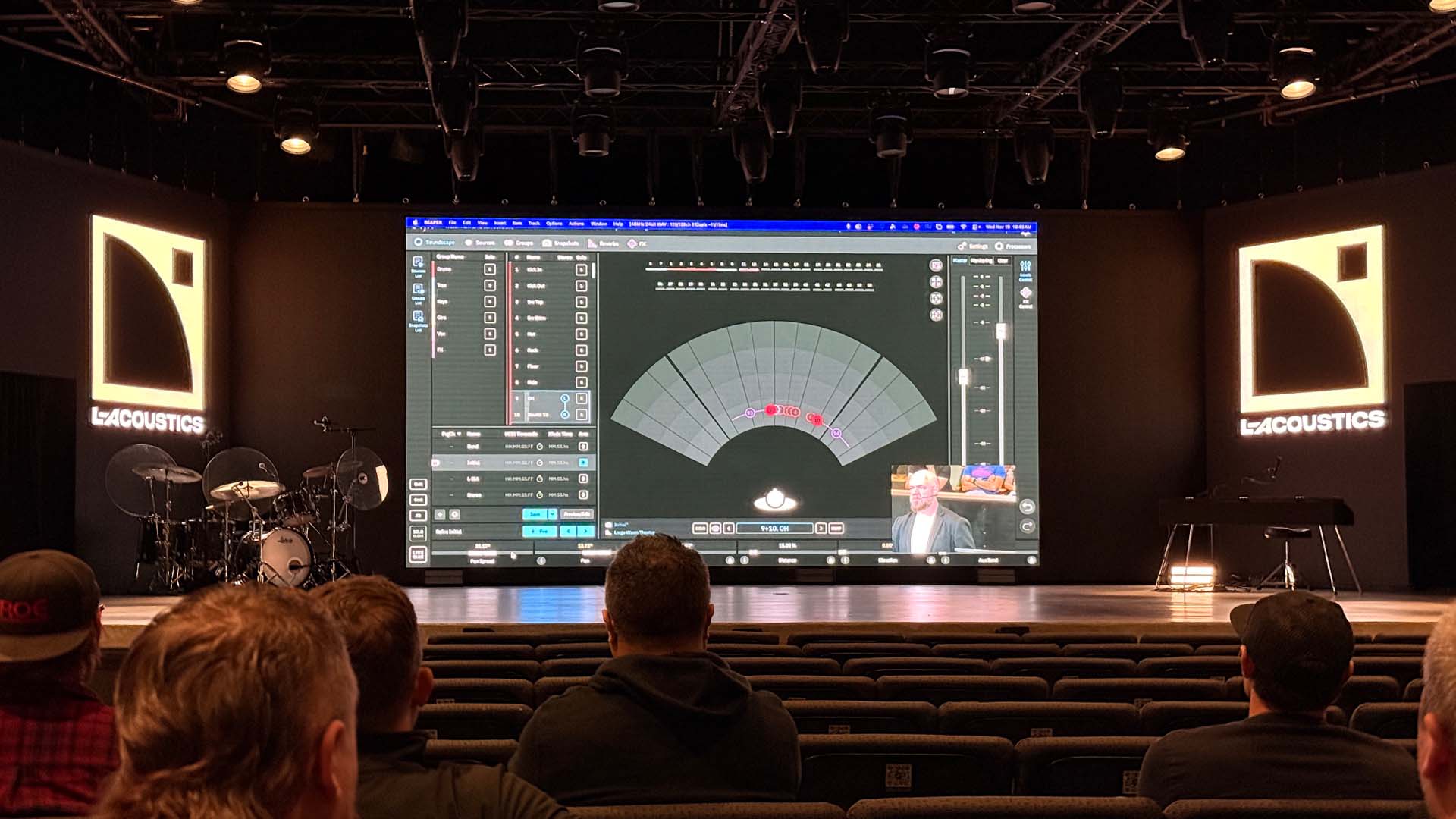
We recently dove deep into the topic after hearing from several Phoenix Valley worship pastors who are either considering L-ISA, Meyer Constellation, or d&b Soundscape-style systems. Here’s a realistic look at where immersive audio stands today, what churches are actually gaining (and what they’re not), and how to decide if it makes sense for your ministry.
What “Immersive” Really Means in Church
Most people think immersive audio = “surround sound like a movie theater.” In worship, the practical reality is narrower:
- Primary goal: Place vocals clearly in the center while letting the band wrap around the listener.
- Secondary benefits: More natural instrument separation, better localization of choir/orchestra, improved sense of “being there” for livestream viewers.
- Not the goal: Full 360-degree panning or gimmicky fly-bys (most churches avoid this because it feels theatrical rather than reverent).
The two leading technologies right now are:
- L-Acoustics L-ISA — object-based spatial audio with dedicated central array for vocals and side/height fills for width and depth.
- d&b Soundscape / En-Scene — scene-based rendering with very high channel counts and precise object placement.
Both can deliver excellent results, but they require different infrastructure and have different price points.
Real-World Results Churches Are Seeing
From installations we’ve been involved with and conversations with other integrators in the Southwest:
- Speech intelligibility: Almost every church reports a noticeable jump in how clearly the spoken word cuts through — especially in rooms with long reverb tails or balcony coverage issues.
- Worship band clarity: Instruments feel separated in a natural way. “I can finally hear the acoustic guitar without turning it up 6 dB” is a common comment.
- Livestream improvement: Online viewers consistently say the mix “feels more alive” and “like you’re in the room,” even when the mix itself isn’t dramatically different.
- Congregational singing: Some (not all) report higher singing volume from the seats — likely because people feel more surrounded and confident.
But it’s not magic:
- If your room has serious acoustic problems (flutter echo, long reverb, hot spots), immersive audio won’t fix them — it can even highlight them.
- If your FOH mix is already excellent and your room is well-treated, the jump may be more subtle than transformative.
The Cost Reality
Here’s the honest breakdown for a typical 600–1,200 seat Arizona church:
- L-ISA core system (central hang + side fills + processing): $120,000–$250,000 depending on array size and subs.
- d&b Soundscape (similar scale): $150,000–$300,000+ (higher due to channel count and renderer cost).
- Traditional line array refresh (comparable coverage): $60,000–$140,000.
So immersive audio often costs 1.5–2.5× more than a high-quality conventional system.
When Immersive Audio Is Worth It
From actual Arizona installations we’ve seen succeed:
- Churches with 800+ seats and balcony coverage problems
- Multi-campus churches that want consistent sonic signature across locations
- Congregations that livestream to a large online audience and want to compete with professional broadcast quality
- Worship teams with full bands + choir/orchestra who need better separation
- Churches already planning a major audio refresh (easier to justify the premium when replacing anyway)
When It’s Probably Not Worth It (Yet)
- Rooms under 500 seats (the benefit shrinks dramatically)
- Churches with serious acoustic issues that haven’t been addressed
- Budgets that would be stretched thin by the upgrade
- Volunteer teams with limited time to learn new workflows
- Ministries where the spoken word is the primary focus and music is secondary
The Bottom Line for Arizona Churches
Immersive audio is no longer “future tech” — it’s here, it works, and it’s delivering real results for many growing churches. But it’s still a premium upgrade, not a necessity for everyone.
Our advice after working with dozens of Arizona congregations:
- First fix the room acoustics and PA tuning — that often gives 70–80% of the improvement for 20–30% of the cost.
- If you’re already planning a major console or speaker upgrade, compare immersive vs traditional options side-by-side in your space.
- If your livestream audience is growing fast and you want to compete with professional broadcast quality, immersive becomes much more justifiable.
Want to hear an immersive system in your own worship center? We keep demo kits for L-ISA and similar spatial audio platforms and can bring them to your building for a real-world test — no pressure, no sales pitch.
Contact Brilliance AV to schedule a time that works for your team.
Let’s listen together and find out if immersive audio is the right next step for your Arizona church.
-------------------------
Keywords: immersive audio church Arizona, L-ISA church Arizona, spatial audio worship Arizona, church line array Arizona, church audio solutions Arizona, church AV company Phoenix, church AV setup Arizona, reliable church audio, church sound system Arizona, church AVL upgrades Arizona, Meyer Sound church Arizona
Sources: L-Acoustics, Meyer Sound
Let's build irresistible experiences.
Connect With Us
Planning a project? Share your vision with us through this form, and we'll connect with you shortly.
The Most Important System You Never See: Why Church AV Infrastructure Matters More Than You Think
Chauvet Professional vs ETC Lighting: Which Is Right for Your Arizona Church?
How to Improve Acoustics in Your Arizona Church Worship Center

What Is Sound Diffusion and Absorption? How Arizona Churches Can Use Them for Better Worship Audio


Meyer Sound Lina Line Array: Why Churches Are Choosing It for Clear, Powerful Worship Audio
Allen & Heath Avantis: Is it the Ideal Mixing Console for New Volunteers in Arizona Churches?

Streamline Your Church Service with Stream Decks: A Full Walkthrough for Arizona Worship Teams