We hear it all the time. And honestly? It sounds completely reasonable the first time you say it out loud.
"We don't have the budget to do everything right now, so we'll just buy a few pieces and add the rest later."
Responsible. Careful. Wise stewardship of the Lord's money. We get it.
Except — after years of designing and installing church audio, video, and lighting systems across Arizona — we can tell you with great love and zero judgment: that plan almost never works out the way churches hope it will. In fact, it usually ends up costing significantly more than just planning it right from the beginning.
This isn't a sales pitch. It's a pattern we've watched play out in church after church across the Phoenix metro, East Valley, and beyond. So let's talk about why it happens — and what smarter planning actually looks like.
The "We'll Just Add the Rest Later" Problem
Picture this: your church decides to upgrade the sound system. Budget is tight, so you buy a new digital mixer and a pair of speakers. Great start! Six months later, you realize the speakers don't cover the back third of the room well. So you add some delay speakers. But now the delay speakers are a different brand and don't integrate cleanly with the DSP on the main speakers. So you buy a separate signal processor to bridge them. Then your new worship leader wants in-ear monitors, but the mixer you bought doesn't have enough aux outputs to support a full IEM system. So now you're looking at a new mixer.
Eighteen months later, you've spent 40% more than a complete system would have cost — and you still don't have a complete system.
Sound familiar? You are not alone. This is the piecemeal trap, and it catches well-intentioned church leaders every single time.
Your Church AV System Is an Ecosystem, Not a Shopping List
Here's the core issue: a church AVL system is not a collection of individual products — it's a fully connected ecosystem where every component affects every other component.
Think about how signal actually travels through your system:
- A microphone captures sound on stage
- That signal travels through a snake or digital network to your mixing console
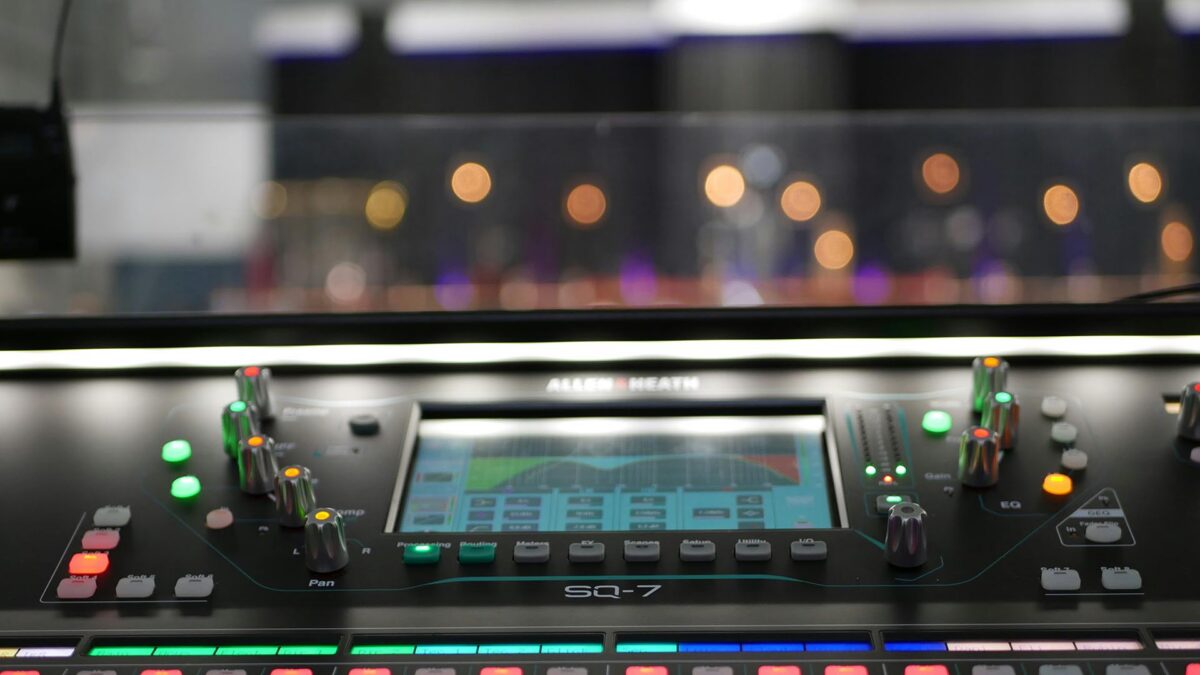
- The console processes, balances, and routes it through a DSP (digital signal processor)
- The DSP sends optimized signal to your amplifiers or powered speakers
- Those speakers distribute sound across your sanctuary
- Meanwhile, a separate mix goes to stage monitors or in-ear monitors so musicians can hear themselves
- And if you're livestreaming, another mix goes to your video and streaming setup
Every single link in that chain needs to be sized, selected, and configured to work with the others. When one link doesn't fit — because it was bought at a different time, for a different version of the plan — the whole chain suffers.
As we like to say around here: you can't put a truck engine in a golf cart and wonder why it doesn't drive right.
The Real Costs of Piecemealing Church Technology
The financial hit of buying piece by piece isn't always obvious upfront. It hides in places churches rarely think to look:
1. Redundant Labor Costs
Every time a new component gets added to a system that wasn't designed to receive it, a technician has to come back out, re-engineer the signal flow, re-program the DSP, re-run cable, and re-tune the system. In Arizona, that means travel time, labor hours, and scheduling — over and over again. A system designed holistically from day one gets installed once, tuned once, and handed off cleanly. The difference in total labor cost is significant.
2. Equipment That Gets Replaced Too Soon
When you buy a speaker, a mixer, or a switcher to solve today's problem without thinking about tomorrow's needs, you often end up replacing that gear long before its natural lifespan. That's not a defective product — it's a planning problem. Gear that was perfectly fine gets shelved (or sold at a loss) because it no longer fits the system it was bought to be part of.
3. Compatibility Nightmares
Not every piece of professional AV equipment plays nicely with every other piece. Networking protocols, impedance matching, digital audio formats, control system integration — these things matter enormously, and mismatched gear creates problems that can range from annoying (a slight hum in the system) to service-stopping (the whole thing just… doesn't work on Sunday morning). We've walked into more than a few "Frankenstein systems" — a little bit of this brand, a little bit of that brand, none of it talking to each other — and the rescue operation is never cheap.
4. Volunteer Confusion and Burnout
This one doesn't show up on a budget spreadsheet, but it's very real. When your system is cobbled together from different eras and different design intentions, it becomes genuinely hard to operate. Volunteers who were excited to serve in tech ministry start dreading Sunday mornings. Training becomes complicated because nothing works quite the same way. Mistakes happen more often. Good volunteers quietly step away — and finding replacements is harder than keeping the ones you have.
A cohesive, well-designed system that was built as a whole is dramatically easier to learn, easier to operate consistently, and easier to troubleshoot when something goes sideways. And trust us — something always goes sideways eventually. The question is whether your system makes it easy or impossible to fix.
5. The Trust Problem
Here's the one that stings the most. When a piecemealed system underperforms — and it will — the question that comes from church leadership and the board isn't "did we plan this poorly?" It's usually "why didn't this work?" That doubt lands on the tech team, on the volunteers, and sometimes on the vendor who sold the last piece of gear. Holistic planning protects everyone from that conversation by ensuring the system performs the way everyone was told it would — because it was designed that way from the start.
Phased Budgets Are Smart. Disconnected Planning Is Not.
Here's the important distinction we want every Arizona church to understand: phasing your budget is completely fine. Phasing your planning is where things go wrong.
There's a massive difference between these two approaches:
Approach A (Disconnected): "We have $10,000 now, so let's buy what we can and figure out the rest later."
Approach B (Holistic): "We have $10,000 now. Let's design the complete system we eventually need, then figure out which phases we can execute now while keeping the infrastructure in place for everything else."
Approach B is how Brilliance AV approaches every project. We design the full picture first — the complete system your church needs to thrive for the next 5–10 years. Then we work with your leadership to prioritize phases that deliver the most ministry impact within your current budget, while making sure every decision today doesn't create a more expensive problem tomorrow.
Sometimes that means we suggest a slightly less expensive speaker brand for Phase 1 so the budget stretches further. Sometimes it means we run conduit and pull cable for Phase 2 while we're already in the walls for Phase 1 — because doing it later costs three times as much. Sometimes it means we install a console with more capacity than you need today, because the alternative is replacing it in two years when your worship team grows.
That's not upselling. That's what responsible stewardship of your church's technology resources actually looks like.
Future-Proofing: Planning for the Church You're Becoming
One of the greatest gifts of holistic system design is that it accounts for where your church is going, not just where it is today.
Arizona churches grow. Church plants become established congregations. Established congregations add campuses. Worship teams expand. Livestreaming goes from "nice to have" to "essential ministry." None of that happens overnight — but it happens faster than most churches expect.
A system designed with growth in mind asks questions like:
- If this congregation doubles in two years, can the PA system scale to serve that room?
- If we add a live stream or a recording ministry, does the console have the outputs to support it without a complete overhaul?
- If we add overflow rooms or expand into a larger facility, is the network infrastructure ready?
- If we hire a full-time worship director next year, will this system support what they need to lead effectively?
These are the questions we ask during our design process — long before a single piece of gear gets ordered. Because the cost of answering them at design time is zero. The cost of answering them after installation is often tens of thousands of dollars.
A Word About Stewardship
We work with churches. We understand that every dollar in the budget represents a tithe, an offering, a sacrifice someone made because they believe in the mission of their church. That's not a small thing. It's sacred.
And that's exactly why we feel so strongly about holistic planning. Not because it means spending more money upfront — it often doesn't. But because it means spending wisely. It means avoiding waste. It means not rebuilding the same system three times because the plan kept changing. It means your congregation's generosity gets translated into a system that serves the mission faithfully for years to come — not a system that limps along until the next emergency purchase.
The most expensive church AV system isn't the one with the biggest budget. It's the one that gets rebuilt over and over again because nobody planned it properly the first time.
What This Looks Like in Practice: Arizona Church Examples
The Church That Bought Speakers First
A growing Phoenix-area church plant bought a pair of powered speakers to get through their first year in a new space — totally reasonable. Two years later, they were ready to invest in a full system. The problem? The speakers they'd bought weren't compatible with the professional DSP required for the larger system, and the coverage pattern wasn't right for the room they'd grown into. The speakers were barely two years old and already needed to be replaced. Had the initial purchase been made within a holistic plan, those speakers would have been the right ones — or the infrastructure would have been in place to integrate them properly.
The Church That Ran Out of Inputs
A mid-sized East Valley congregation bought a compact digital mixer that was perfect for their four-piece worship team. Eighteen months later, their worship team had grown to eight musicians, they'd added a choir mic, and their pastor wanted a confidence monitor. The mixer had no room to grow. A new console was required — and the old one, less than two years old, had to go. A slightly larger console chosen at the outset would have cost a few hundred dollars more and lasted them a decade.
We share these not to make anyone feel bad — we've seen this pattern in churches of every size and budget level — but because recognizing the pattern is the first step to avoiding it.
Frequently Asked Questions: Church AV Planning in Arizona
We genuinely can't afford a complete system right now. What should we do?
Start with a complete design. Seriously — before you buy a single piece of gear, invest in a professional design for the full system your church needs. Then execute it in phases. The design itself is not expensive compared to the cost of rework, and it ensures that every dollar you spend today moves you toward the complete system rather than away from it. Talk to us about your budget and we'll show you what a phased approach looks like in practice.
Can't we just research equipment ourselves and buy what we need online?
You can — but you'll be guessing at system design without the acoustical measurements, room analysis, and integration expertise that determine whether the equipment actually performs the way the spec sheet says it will. A great speaker in the wrong position, pointed the wrong direction, fed by the wrong signal, in a room that was never acoustically treated, sounds mediocre at best. The gear is only as good as the design around it.
How does Brilliance AV handle phased projects?
We design the complete system first, then work with your leadership to determine what gets built in Phase 1, Phase 2, and beyond. We also make sure Phase 1 infrastructure decisions support Phase 2 — so you're never ripping out work we just did. Check out how we work for more detail on our process.
What if our church is in a temporary space?
Temporary spaces have their own design considerations — portability, quick setup, flexible rigging — but the same holistic planning principles apply. We've designed systems for church plants meeting in school gyms, movie theaters, and community centers across Arizona. The goal is always the same: a system that works reliably, sounds great, and serves your team without drama every single week.
Does Brilliance AV offer ongoing support after installation?
Absolutely. We're not a "drop the gear and disappear" operation. Our service and support keeps your system running at its best long after installation day — whether that's training new volunteers, making system adjustments as your ministry grows, or being a phone call away when something unexpected happens on a Sunday morning.
The Bottom Line: Plan the Whole Thing First
If your Arizona church is considering any kind of AVL upgrade — whether that's a sound system refresh, a new lighting rig, video displays, or a full sanctuary renovation — the single most valuable thing you can do before spending a dollar on equipment is to plan the complete system.
Not just the part you can afford today. The whole thing.
Because when you know where you're going, every step you take gets you there. And when you don't — well, you end up with a parking lot full of well-intentioned gear that doesn't quite work together, a volunteer team that's stressed every Sunday, and a budget that mysteriously keeps needing more money without producing better results.
We've seen both outcomes. One is a lot more fun than the other.
At Brilliance AV, our whole approach is built around designing systems that serve Arizona churches faithfully — not just on day one, but for the decade that follows. We take the long view because we're not just your vendor. We're your partner in making sure technology serves your ministry the way it was always meant to.
Focus the many on the One. That's the goal. Let's build something that actually gets you there.
Ready to start with a real plan? Contact the Brilliance AV team for a conversation about your church, your space, and your vision — no pressure, no jargon, just a real talk about what's possible.
Let's build irresistible experiences.
Connect With Us
Planning a project? Share your vision with us through this form, and we'll connect with you shortly.
Church Plant AVL Guide: Everything Church Plants Need to Know About Audio, Video & Lighting

What Does a Church AVL Installer Actually Include? Microphones, Speakers, Cameras, Lighting & More
LED Walls for Churches in Arizona: What to Know Before You Buy
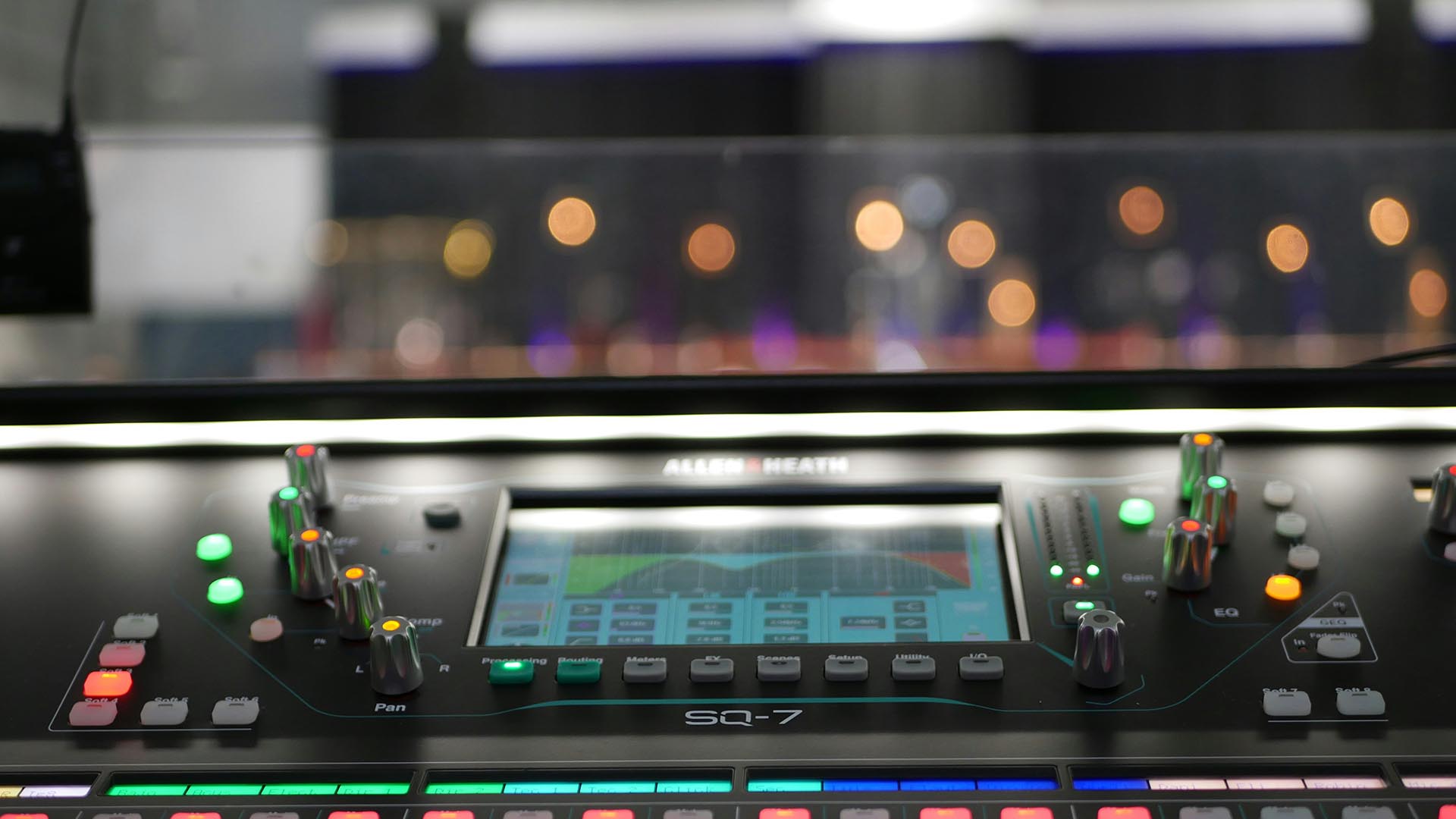
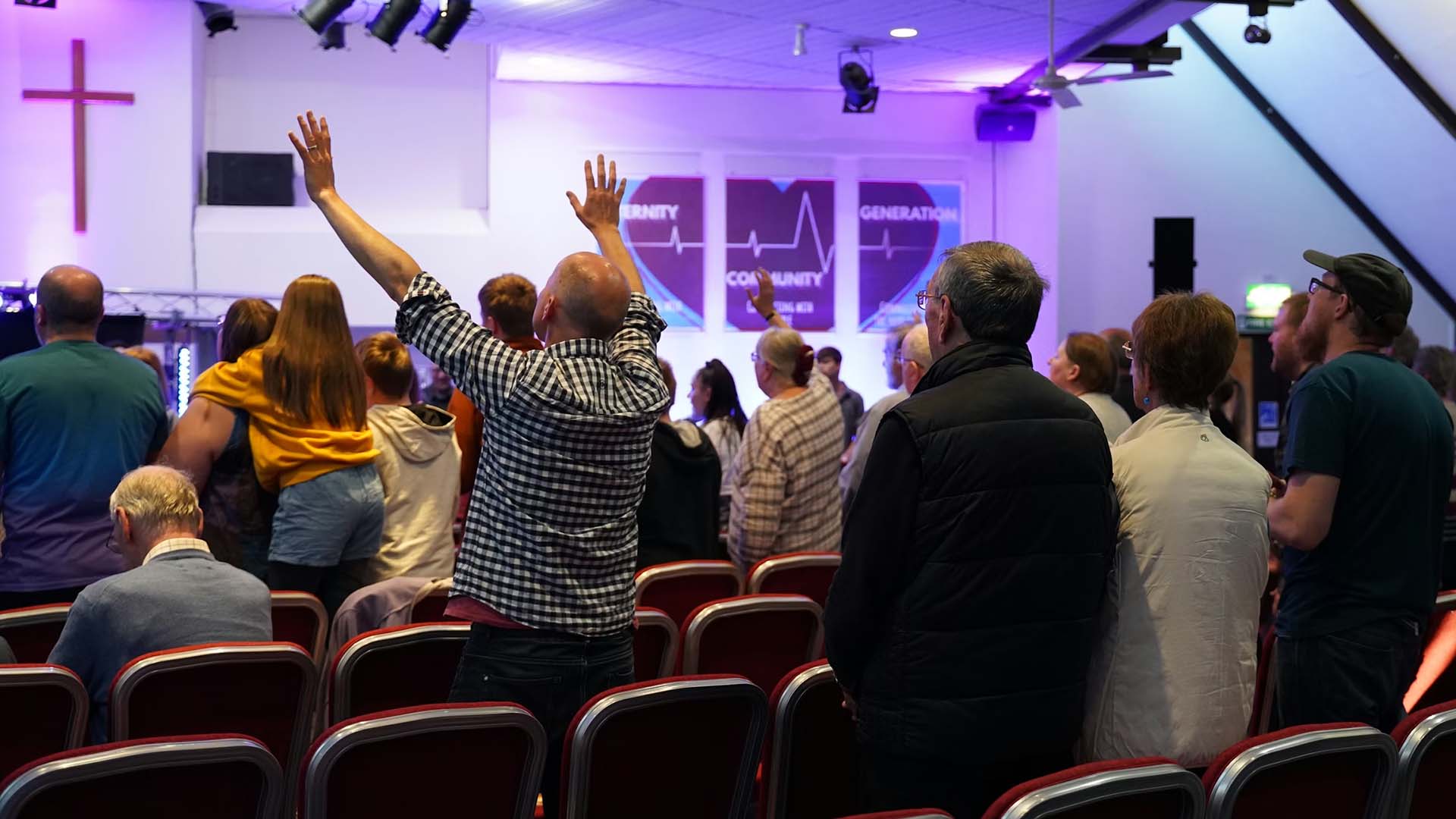
Best Audio Equipment for Small Church Sanctuaries: Budget-Friendly Solutions That Actually Work
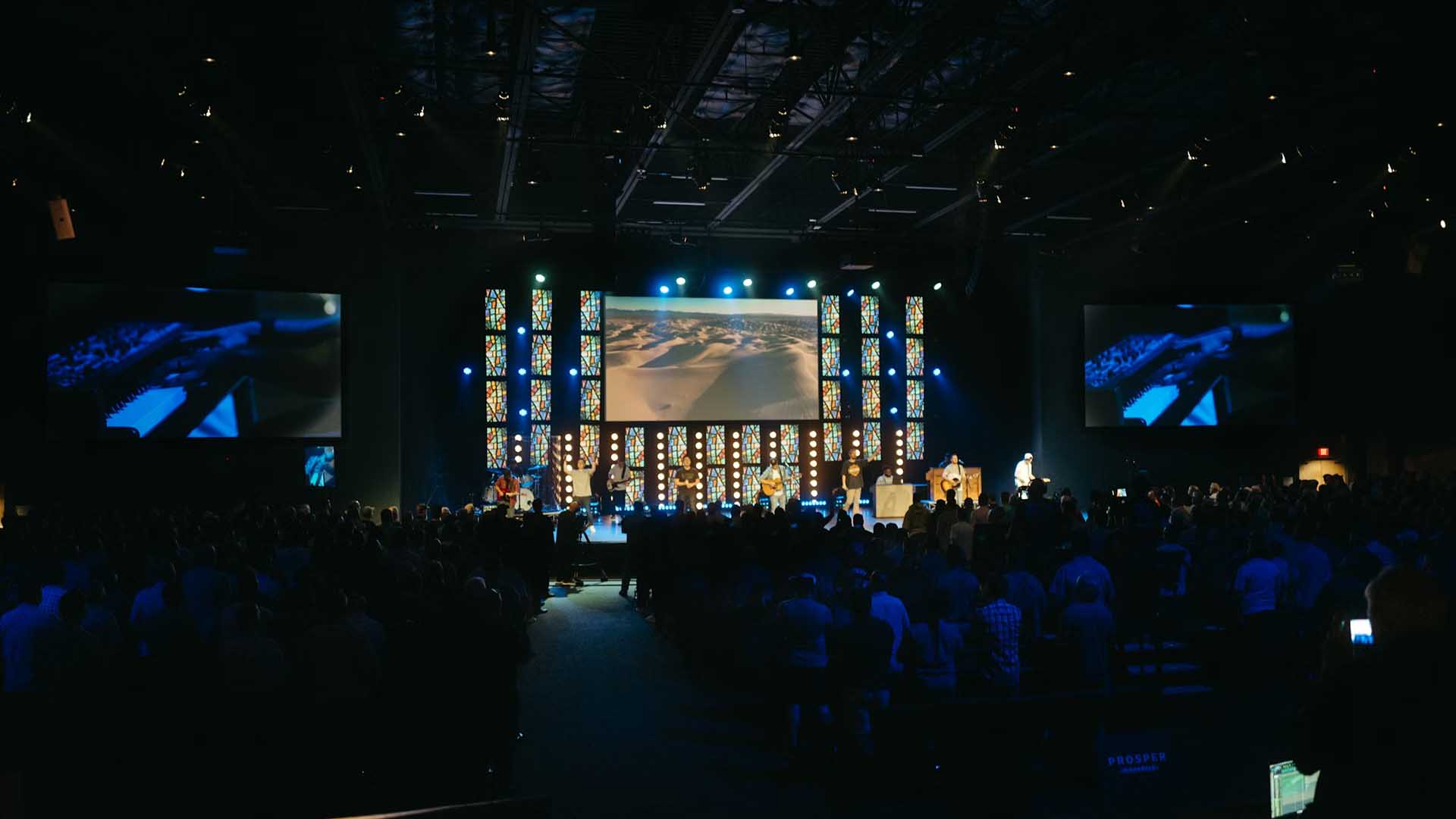
What’s the Right Church Sound System for My Congregation Size? Matching Equipment to Needs
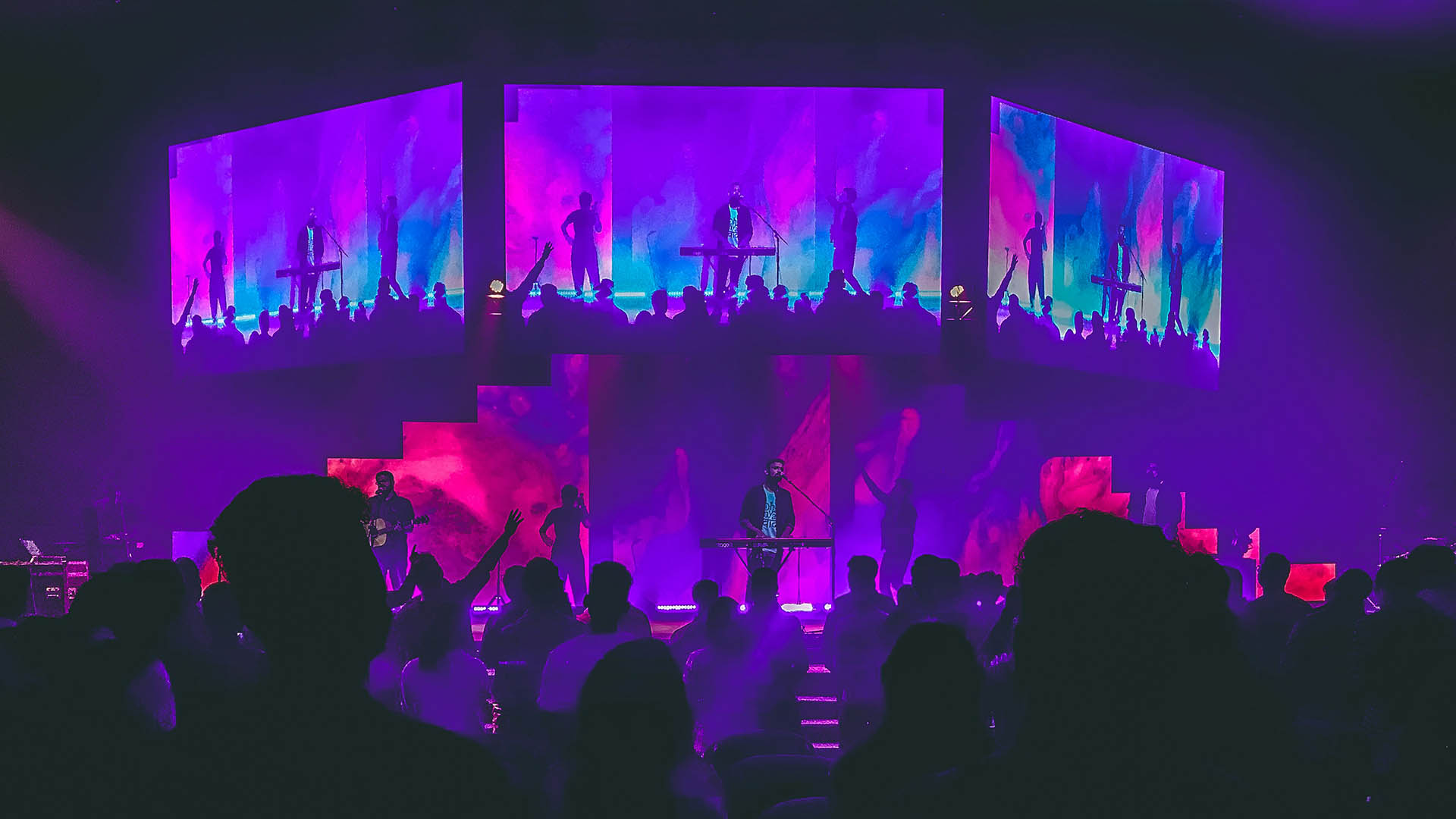
Choosing the Best Display Technology for Your Arizona Church Worship Center
Lighting Design for Worship Services: Creating the Right Atmosphere in Arizona Churches